CONCEPT
Europe needs more sustainable and resilient protein sources, while authentic whole-cut alternatives such as steaks and fillets remain scarce. Many existing alternatives face limitations in texture, nutrition and consumer acceptance and can require extensive processing to achieve meat-like properties.
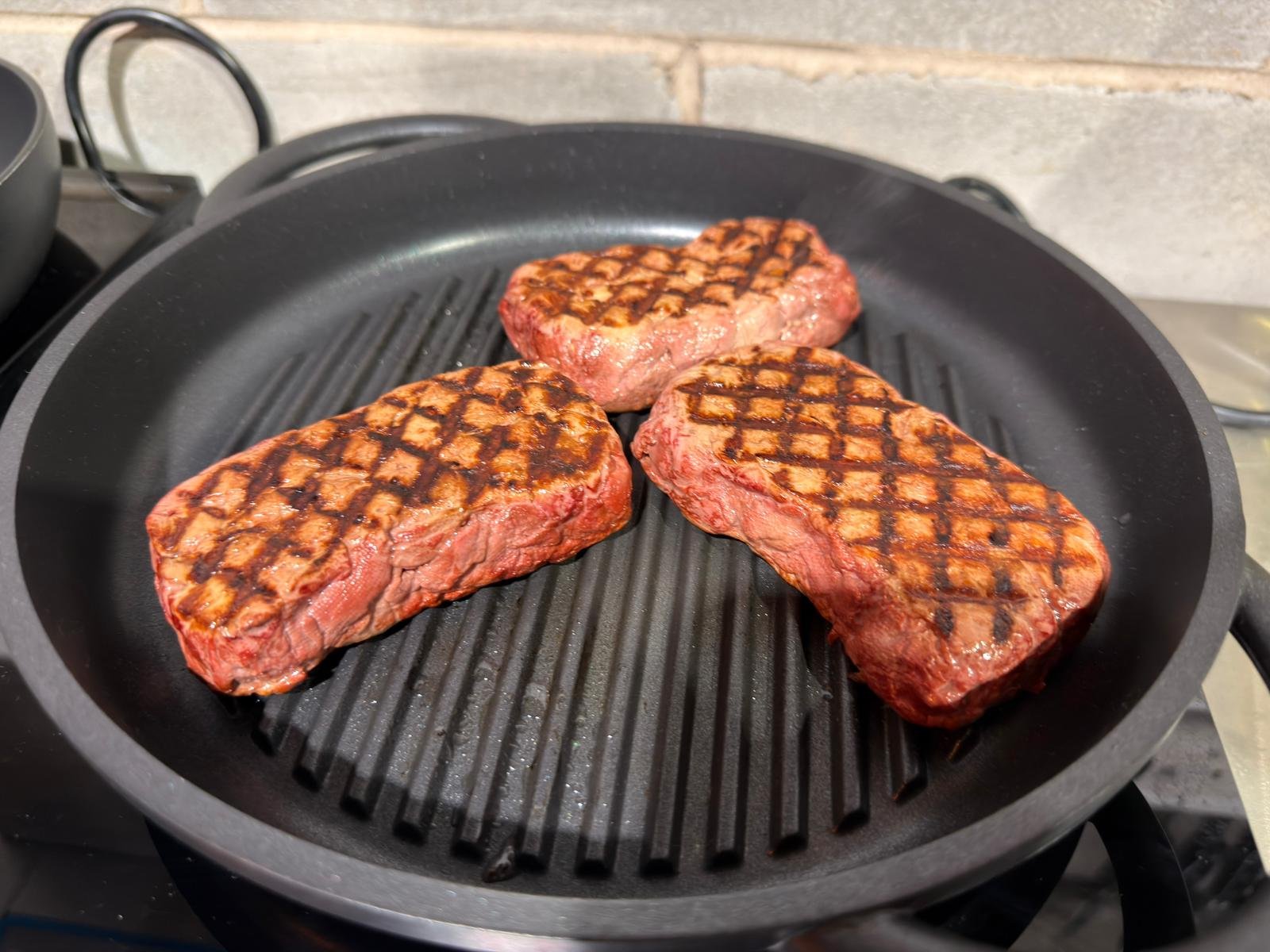
At MycoStruct, we are scaling an innovative fermentation process that produces structured mycelium proteins for authentic whole-cut meat alternatives.
Challenges that drive us
Climate and Land Use Change
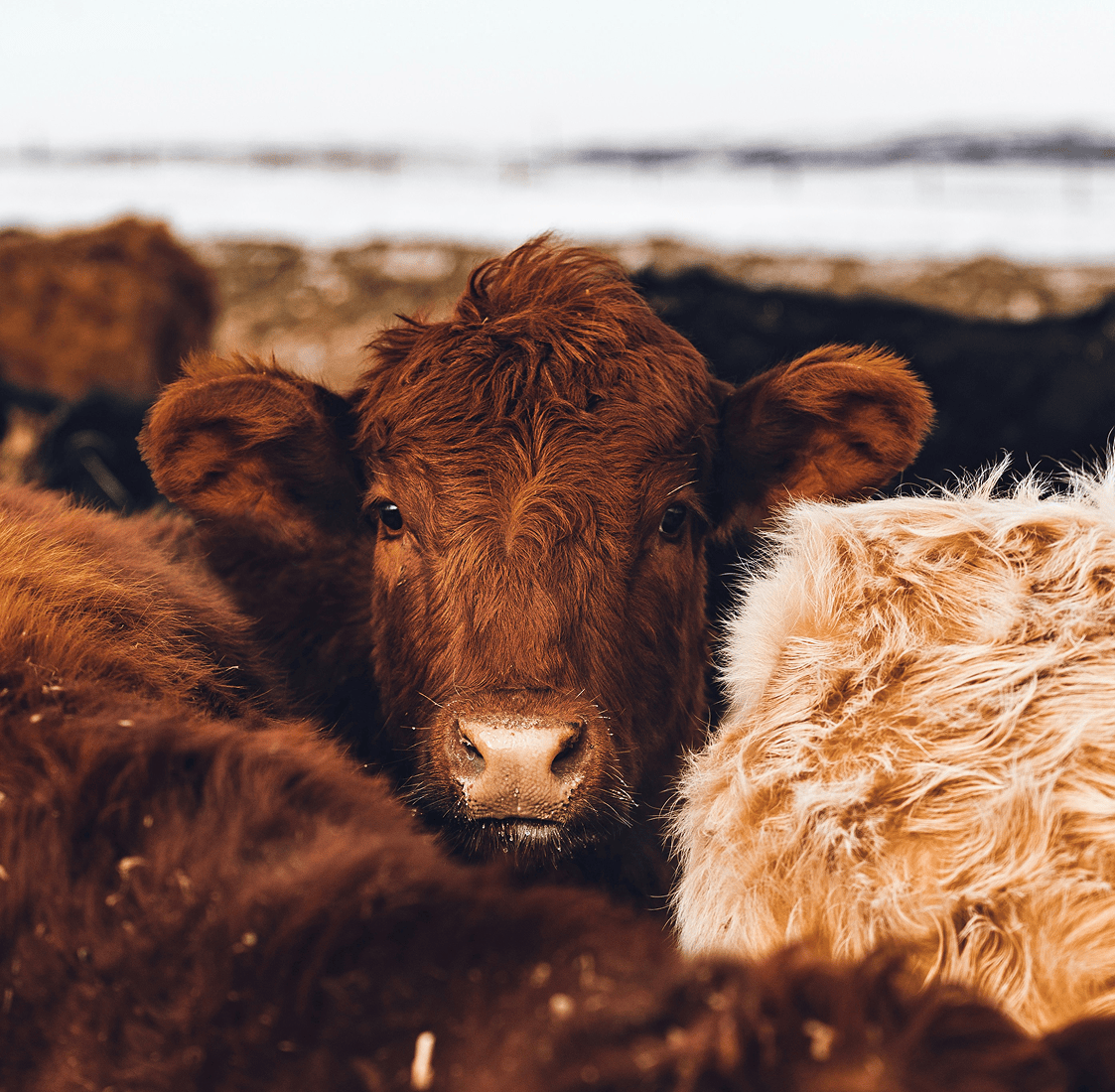
Livestock production contributes significantly to methane emissions and land-use change, which can lead to deforestation, land degradation and biodiversity loss.
Human Health Issues
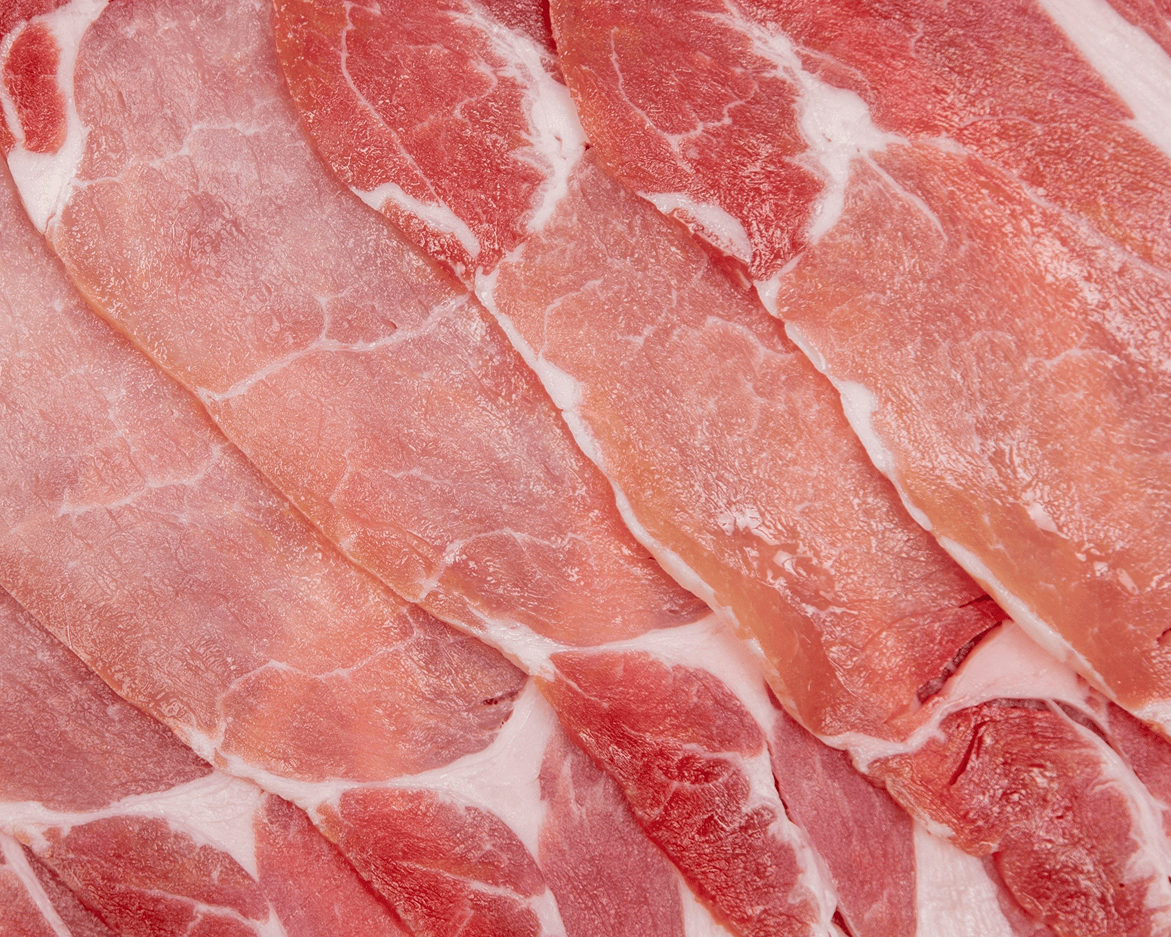
High consumption of processed meat is linked to significant health challenges like diabetes, cancer and cardiovascular diseases.
Water Resource Depletion

Livestock production can contribute to water resource depletion and the build-up of antibiotic resistance in the environment.
The MycoStruct approach
Unlike many alternative proteins that rely on extensive processing, binders or additives to create texture, MycoStruct grows fibrous mycelial structures directly within fermentation vessels.
While all current methods must choose between product quality or formulation simplicity, the fermentation-first structure formation delivers both simultaneously. Thanks to this, we can avoid the “ultra-processed” label while delivering superior protein content, exceptional digestibility and genuine meat-like texture using minimal ingredients.
Result is naturally structured, meat-like product that combines high-quality nutrition with clean-label simplicity.
Fungi – the ideal meat alternative
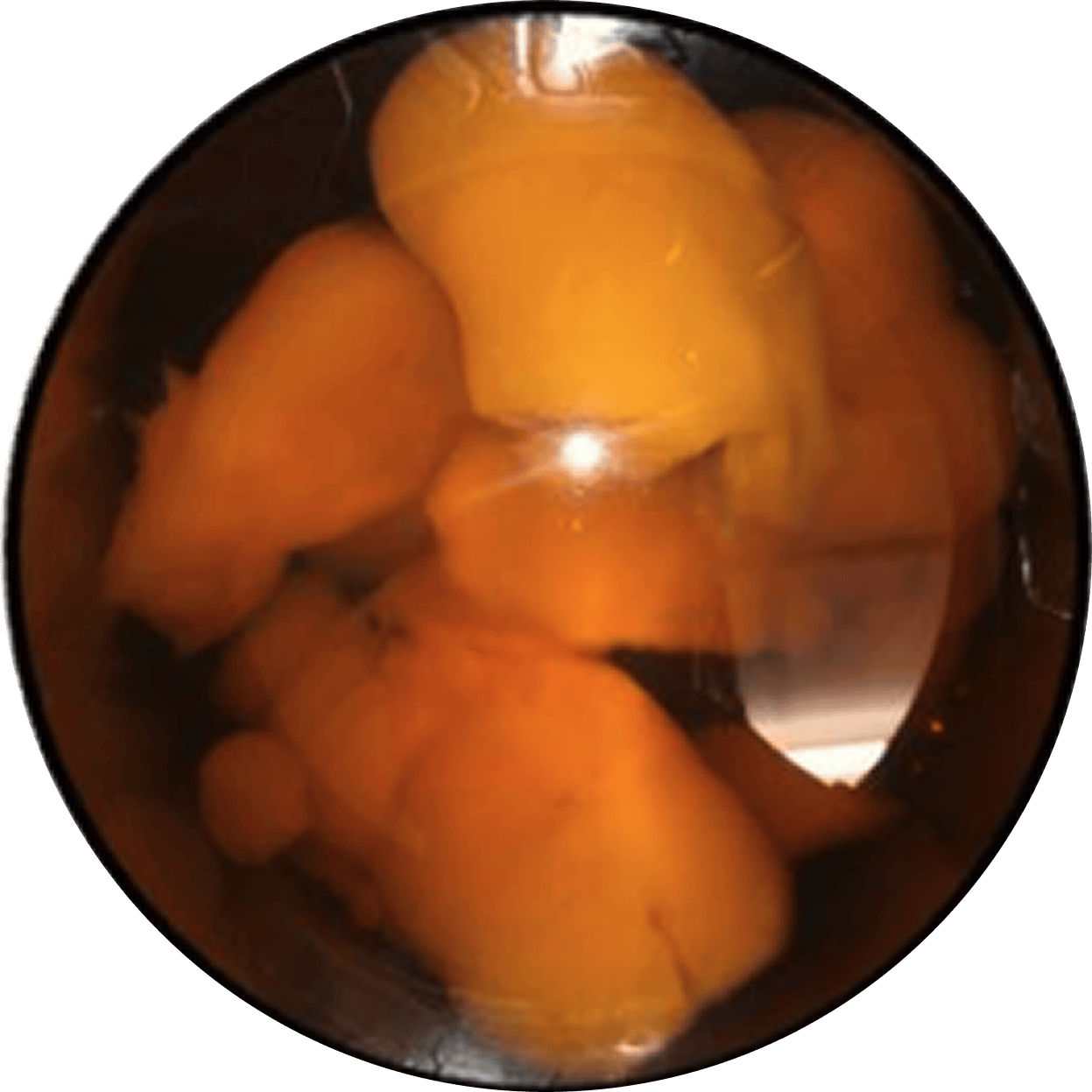
 Uses minimal land & is site-flexible
 Is highly nutritious & well-tolerated
 Has exponential growth rate & can be harvested continuously
 Displays 90% reduced carbon footprint compared to meat mince
Ourobjectives
Demonstrate scalable fermentation processes to produce nutritional protein from fungi at commercially viable volumes.
This includes:
- Process optimisation
- Demonstration-scale fermentation equipment installation
- Biomass production
Expected outcomes
Increased availability of sustainable proteins
Production within planetary boundaries
More resilient and diversified food systems
Greater consumer awareness and acceptance
MycoStruct consortium